

Infrared Sauna Ventilation Requirements | Good Health Saunas

Do Infrared Saunas Need to be Vented?

Is Ventilation Required for Infrared Saunas?

Infrared saunas do not usually require a dedicated exhaust vent. Unlike traditional steam saunas, infrared models do not produce large amounts of steam or rely on heated air to warm the body. Infrared heaters emit radiant energy directly, allowing the cabin to operate at lower air temperatures with less moisture. A properly designed infrared sauna still needs basic airflow. Small openings, door gaps and natural air exchange help maintain a comfortable cabin while allowing heat and humidity to dissipate after each session.

How Infrared Saunas Maintain Airflow

Most infrared saunas include passive airflow features built into the cabin design. Air enters and exits naturally without ductwork, fans or a separate ventilation system. Common airflow features include:

  • A small gap beneath or around the sauna door
  • Built-in cabin openings or vents
  • Natural air movement as the cabin warms
  • Air exchange when the door opens between sessions
  • Space around the exterior for heat to disperse

Passive airflow helps prevent the cabin from feeling overly stagnant while maintaining the warmth needed for an effective infrared sauna session.

Does an Infrared Sauna Need Fresh Air?

While an infrared sauna benefits from fresh air, it rarely needs a direct outdoor air connection. The room surrounding the sauna usually supplies enough air through normal household ventilation and built-in cabin gaps. Leave the sauna door open after use so fresh air can move through the interior. This simple step helps release residual heat, odors and moisture. A nearby window, ceiling fan or room vent can improve circulation when the sauna sits in a small or enclosed space. Avoid installing an infrared sauna in a sealed room with poor airflow. The surrounding area should feel comfortable before, during and after use.

What Does Venting an Infrared Sauna Do?

Basic ventilation supports comfort, cleanliness and long-term sauna care. Proper airflow can:

  • Introduce fresh air during a session
  • Prevent the cabin from feeling stuffy
  • Allow residual heat to escape after use
  • Help perspiration and surface moisture evaporate
  • Promote faster drying of benches, walls and flooring
  • Reduce lingering odors between sessions

Ventilation does not replace routine cleaning. Wipe down interior surfaces after use and leave the door open until the wood feels dry.

Infrared Sauna Installation Considerations

Choose a dry indoor location with enough room for assembly, use and maintenance. Review the manufacturer’s installation instructions before selecting a permanent position. Important installation considerations include:

  • Room Airflow

    Place the sauna in a room with normal household air circulation.

  • Exterior Clearance

    Leave the recommended space around the cabin for heat dispersion and access.

  • Electrical Service

    Confirm the outlet, circuit and amperage requirements for the selected model.

  • Level Flooring

    Install the sauna on a flat, stable surface capable of supporting its weight.

  • Moisture Resistance

    Select flooring easy to clean if perspiration or condensation reaches the floor.

  • Ceiling Height

    Verify enough vertical clearance for assembly and safe use.

  • Door Access

    Maintain enough space for the sauna door to open fully.

  • Post-Session Drying

    Keep the surrounding room ventilated and leave the cabin door open after use.

Bathrooms, basements, home gyms and finished garages can work well when the space remains dry and meets the model’s electrical and clearance requirements.

Built-In Airflow in Good Health Saunas

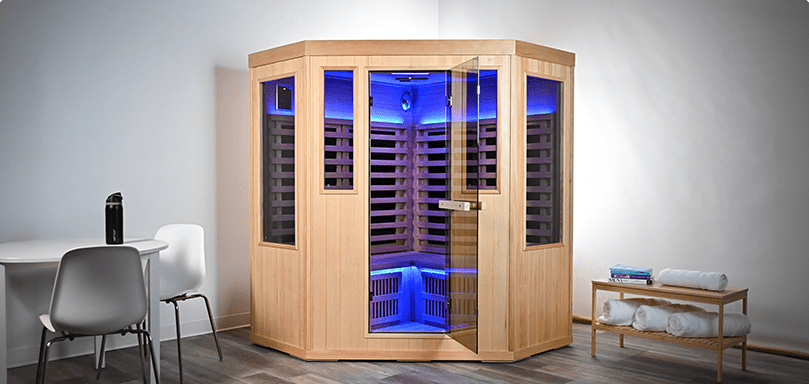
Good Health Saunas designs its one-person, two-person, three-person, four-person and corner infrared saunas with natural airflow in mind. Built-in cabin gaps allow air to circulate without requiring separate ductwork or an external exhaust system. When shopping for an infrared sauna, compare cabin dimensions, electrical requirements, installation space, heater coverage and built-in airflow features. Good Health Saunas offers multiple configurations for bedrooms, basements, home gyms and other indoor wellness spaces.

Contact Us

Good Health Saunas Events Near You

All Events

Get the Latest on Events & Exclusive Offers

  • This field is for validation purposes and should be left unchanged.