

 (920) 310-3675


Infrared Sauna vs Traditional Dry Sauna

Infrared Sauna vs Traditional Dry Sauna
Key Differences, Health Benefits & Costs
The main differences between infrared saunas and traditional dry saunas involve heating method, temperature range, energy use and wellness outcomes. Both environments promote relaxation and sweating, yet technology, session comfort and operating costs vary. Good Health Saunas specializes in advanced infrared sauna systems engineered for residential wellness spaces, giving homeowners a modern alternative to conventional dry sauna installations.
Understanding how infrared and dry sauna environments differ helps buyers evaluate performance expectations, installation needs and long-term value before selecting the right solution.

What Is an Infrared Sauna?
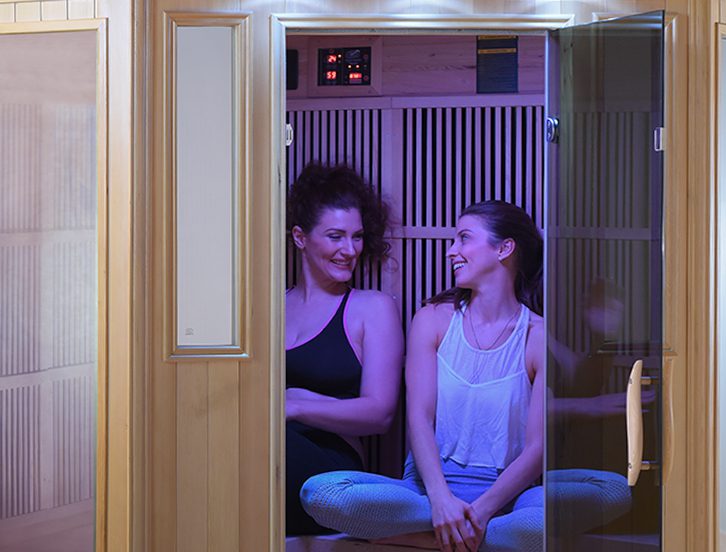
An infrared sauna uses radiant heat panels to warm the body directly rather than heating the surrounding air. This approach allows sessions at lower ambient temperatures while still encouraging deep sweating and circulation support. Good Health Saunas designs infrared sauna systems focused on comfort, energy efficiency and dependable indoor performance for home wellness routines.
What Is a Dry Sauna?
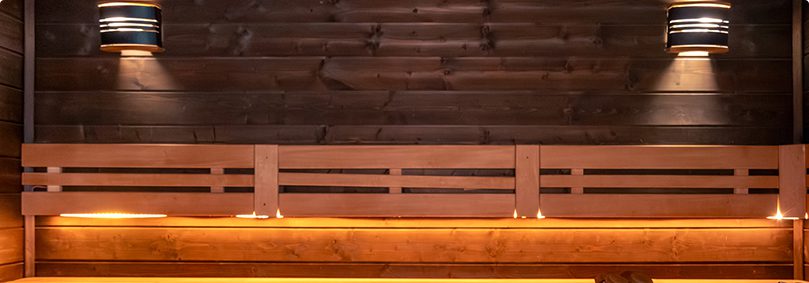
A traditional dry sauna heats air inside an enclosed room using electric or wood-burning heaters. Heated air raises room temperature substantially, producing an intense environment and promoting perspiration through elevated ambient heat. Dry sauna environments have long been used for relaxation, muscle recovery and circulation stimulation.
Key Differences Between Infrared and Dry Saunas
Infrared saunas and dry saunas differ in temperature levels, energy usage, heating experience and upkeep requirements. Evaluating key factors helps homeowners determine whether a modern infrared system from Good Health Saunas or a traditional dry sauna better aligns with lifestyle preferences.
Temperature Differences
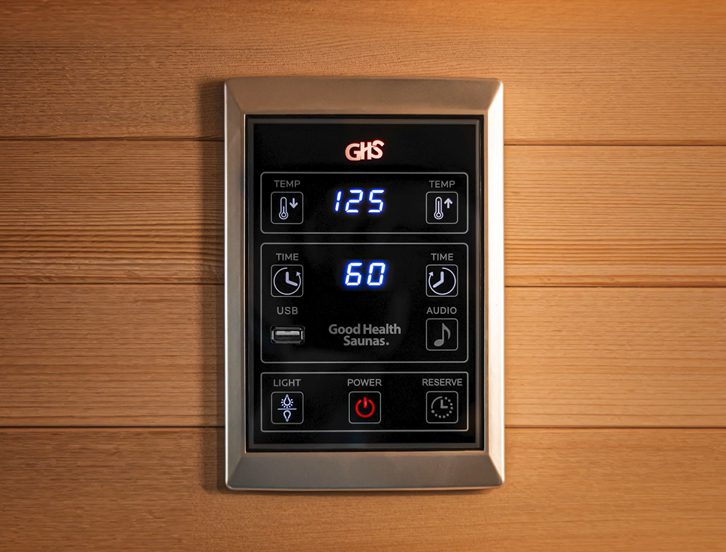
Infrared saunas operate at lower ambient temperatures while still promoting heavy sweating through radiant heat absorption. Dry sauna environments rely on hotter ambient air to elevate body temperature.
Good Health Saunas infrared units support comfortable, longer-duration sessions, while dry sauna use produces higher heat intensity and faster room-temperature escalation.
Energy Efficiency & Operating Costs
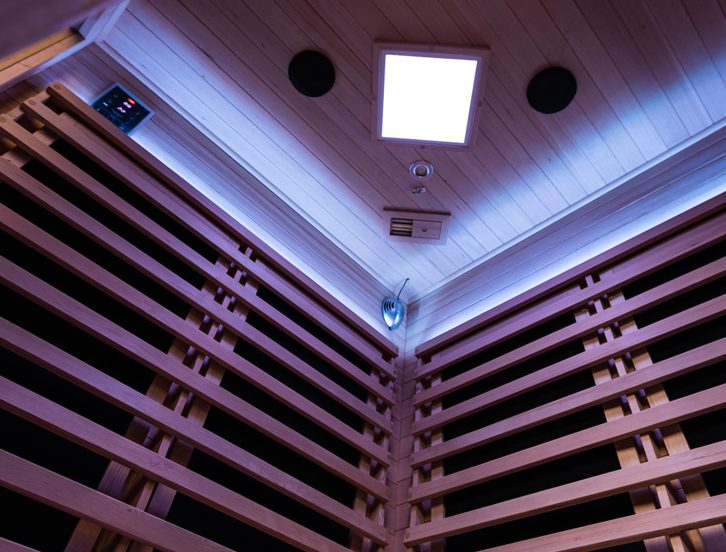
Infrared sauna systems from Good Health Saunas typically require less electrical output and shorter warm-up periods, reducing overall energy consumption during routine use. Lower operating demand appeals to homeowners planning frequent sessions.
Dry sauna environments heat larger air volumes to higher temperatures, increasing energy draw and potentially raising long-term operating costs.

Heating Method & Experience
Good Health Saunas infrared technology emits radiant heat absorbed into muscle and tissue, creating penetrating warmth without extreme room temperatures. This produces a comfortable, sustained sweating experience.
Dry sauna environments warm the surrounding air, generating intense surface heat and a traditional high-temperature atmosphere associated with classic sauna bathing.
Maintenance Differences
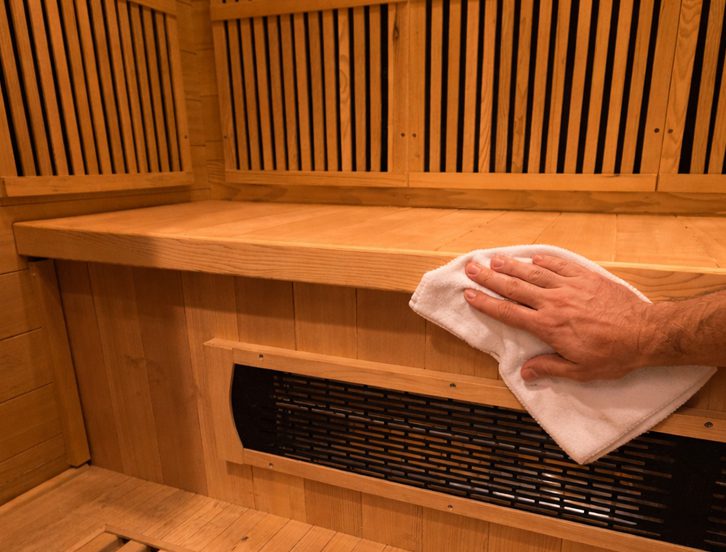
Infrared sauna maintenance for Good Health Saunas units involves interior surface cleaning and ventilation monitoring. Lower temperature stress on materials simplifies routine care.
Dry sauna environments may require more frequent attention to heater systems, ventilation pathways and interior materials exposed to sustained high heat levels.
Health Benefits Comparison
Both infrared saunas and dry saunas support relaxation, perspiration and circulation stimulation. Differences in heat delivery influence comfort level and session duration within individual wellness routines.
Are Infrared Saunas Better for Health?
Infrared sauna use has been associated with cardiovascular stimulation similar to moderate physical activity through elevated heart rate and circulation response. Clinical research has linked frequent sauna bathing with improved cardiovascular outcomes and reduced health risk markers. Good Health Saunas infrared systems promote deep sweating associated with detox support and respiratory comfort through controlled heating conditions.
Which Sauna Is Better for Weight Loss?
Infrared saunas have been shown to help with weight control by promoting heavy sweating to release toxins and increase circulation. Combining healthy lifestyle choices with regular infrared sauna sessions can make weight management and body shaping more attainable.
Good Health Saunas infrared sessions often allow longer, more comfortable use, supporting routine consistency within broader weight-control programs. Dry sauna environments deliver a higher heat intensity favored by some users for shorter sessions.
Which Sauna Is Right for You?
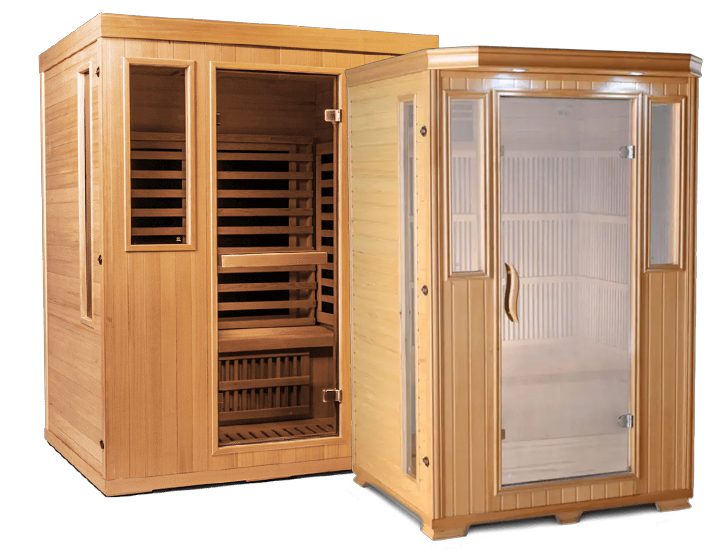
Choosing between infrared saunas and traditional dry saunas depends on comfort preferences, operating expectations and wellness priorities. Homeowners prioritizing efficiency, session comfort and installation flexibility frequently choose Good Health Saunas infrared systems.
Explore available Good Health Saunas models today to compare features, installation requirements and performance benefits before making a long-term wellness investment. Our team can help match the right infrared sauna system to your space and usage goals.