

 (920) 310-3675


Infrared Sauna vs Red Light Therapy
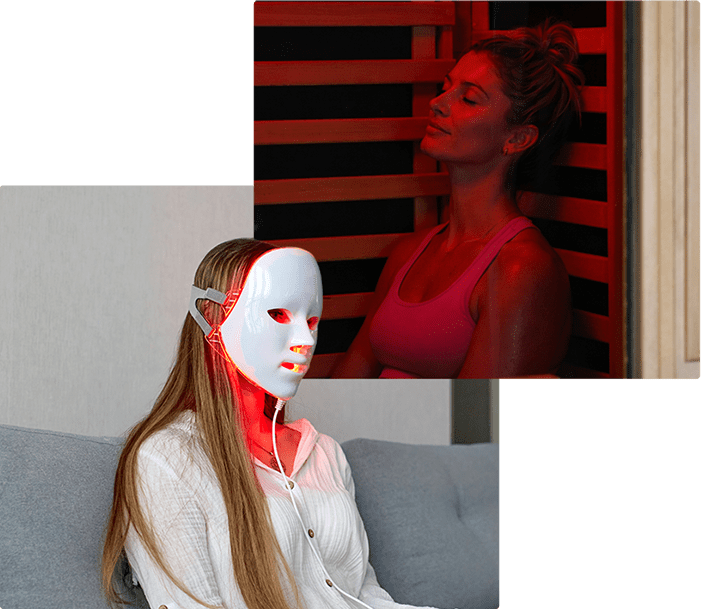
Infrared Sauna vs Red Light Therapy
Key Differences, Health Benefits & Costs
While infrared saunas and red light therapy both support relaxation, recovery and skin health, the technology and session experience differ significantly. Good Health Saunas designs advanced infrared sauna systems for residential wellness routines, and many users incorporate red light therapy to complement heat-based treatments.
Understanding how infrared sauna use compares with red light therapy helps homeowners decide whether to use one or both for a consistent wellness routine.

What Is an Infrared Sauna?
An infrared sauna uses radiant heat panels to warm the body directly rather than heating the surrounding air. This approach promotes deep sweating, circulation support and muscle relaxation at lower ambient temperatures. Good Health Saunas develops infrared sauna systems engineered for comfort, energy efficiency and dependable indoor performance.
What Is Red Light Therapy?
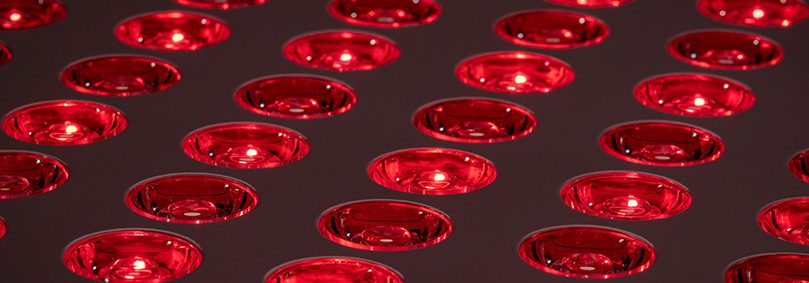
Red light therapy uses low-level wavelengths of visible red or near-infrared light to interact with skin and cellular processes. Instead of producing heat, light energy penetrates tissue and supports cellular activity associated with repair and regeneration. Devices may include panels, beds or integrated wellness lighting systems.

Key Differences Between Infrared Sauna and Red Light Therapy
Infrared sauna and red light therapy differ in delivery method, physiological response and session environment. Infrared sauna use relies on radiant heat absorption to promote sweating and cardiovascular stimulation, while red light therapy focuses on cellular interaction through targeted light wavelengths.
Session intensity, energy consumption and treatment goals vary between the two approaches. Infrared sauna sessions typically involve whole-body heating and perspiration, while red light therapy often targets localized exposure without elevating body temperature.
Combining Infrared Sauna with Red Light Therapy
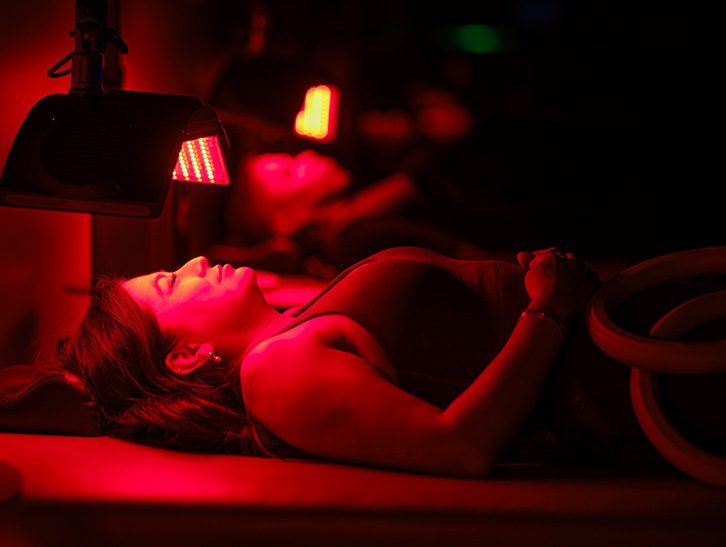
Many wellness enthusiasts combine infrared sauna sessions with red light therapy for complementary benefits. Integrated solutions such as a red light sauna or infrared sauna with red light therapy allow users to experience heat-based circulation support alongside light-driven cellular stimulation within a single routine.
Chromotherapy options may also be incorporated for relaxation or mood-focused wellness experiences. While both therapies can be used in the same session, some users prefer to use their infrared sauna first to warm tissue and promote circulation before applying red light exposure. Others alternate session timing based on comfort and scheduling preferences.
Combining therapies depends on personal wellness goals and equipment configuration. Good Health Saunas infrared systems can serve as a central foundation within a broader home wellness strategy.
Health Benefits Comparison
Infrared sauna and red light therapy both contribute to anti-aging support, recovery improvement and pain relief strategies, yet mechanisms differ. Infrared sauna use emphasizes circulation stimulation, perspiration and muscle relaxation, while red light therapy focuses on skin tone and tissue response.
Which is Better for Inflammation?
Infrared sauna sessions promote circulation and muscle relaxation to help improve inflammation response. Whole-body warming may help reduce stiffness and discomfort following physical activity.
Red light therapy often targets localized inflammation through direct light exposure. Users seeking focused treatment areas may favor light-based therapy, while infrared sauna use is better for full-body relaxation goals.
Which Is Better for Weight Loss?
Infrared sauna use elevates heart rate and promotes sweating, contributing to calorie expenditure and water-weight reduction within broader weight management routines. Consistent sessions support circulation and activity simulation comparable to mild cardiovascular effort.
Red light therapy does not generate meaningful cardiovascular stimulation or perspiration. Weight-control goals typically align more closely with infrared sauna integration alongside healthy lifestyle practices.
Which Is Better for Skin Health?
Red light therapy commonly targets skin appearance by interacting with surface tissue and cellular activity associated with tone and texture. Many users pursue red light exposure for cosmetic-focused wellness routines.
Infrared sauna sessions support skin health by stimulating circulation and perspiration. Users prioritizing overall skin vitality often integrate both approaches within a combined regimen.
Cost Comparison
Initial equipment cost varies based on system size, features and installation scope. Infrared sauna systems represent a larger upfront investment due to structural components and heating technology. Red light therapy devices range widely in price depending on treatment area coverage and device sophistication.
Operating costs also differ. Infrared sauna sessions consume electrical power to generate heat, while red light therapy typically uses lower-energy lighting systems. Session frequency and equipment scale influence long-term usage expense across both options.

How to Choose Between Red Light Therapy and Infrared Sauna
Choosing between infrared sauna and red light therapy depends on wellness priorities, available space and session preferences. Individuals seeking circulation stimulation, relaxation and whole-body sweating experiences often choose Good Health Saunas infrared systems. Customers targeting localized skin or tissue response can integrate red light therapy devices.
Many homeowners adopt both approaches to create a balanced wellness environment supporting recovery, relaxation and skin-focused outcomes. Contact our team today for more information or explore our infrared sauna options.